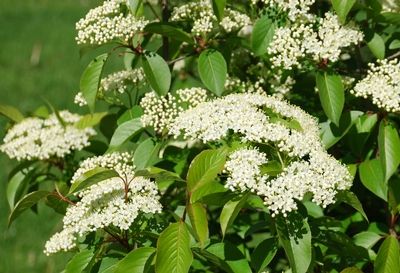
Smooth blackhaw is a sturdy, shapely shrub or small tree, 12-15 ft. tall, sometimes growing to 30 ft. Rounded in outline, this deciduous shrub bears white flower clusters followed by yellow berries turning blue-black. Attractive, dark-green foliage becomes reddish-purple in fall. Shrub or small tree with short trunk, spreading, rounded or irregular crown, many showy, small, white flowers, and small, blue-black fruit.
The fruit is consumed by songbirds, gamebirds, and mammals and can be made into preserves. The astringent bark was formerly used medicinally.

$19.99 – $59.99Price range: $19.99 through $59.99
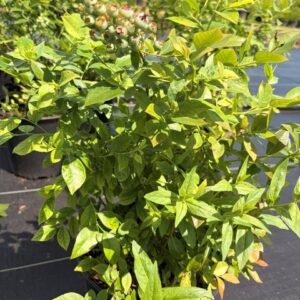
Please note: Most pictures represent mature plants. Unless otherwise specified, all of our plants are sold in 4″ pots to make shipping possible and will mature in time.
Learn more about how the process works and how our plants are delivered.
| Native | |
|---|---|
| Wetland Indicator | |
| Sunlight | |
| Special Attributes | |
| Moisture | |
| Bloom Period | April to May |
| Size | 1 Gallon, 2 Gallon, 5 Gallon |
Viburnum prunifolium, commonly known as blackhaw viburnum, is a beautiful native shrub or small tree valued for its showy spring flowers, glossy foliage, dark berries, and excellent wildlife benefits. Native to the eastern and southeastern United States, this adaptable plant is an excellent choice for native plant gardens, wildlife gardens, pollinator gardens, hedgerows, woodland edges, and naturalized landscapes.
In spring, blackhaw viburnum produces rounded clusters of fragrant white flowers that attract native bees, butterflies, and other pollinators. The flowers are followed by clusters of oval fruit that mature from pink to blue-black, providing a valuable food source for birds and other wildlife. The fruit can also persist into fall, adding seasonal interest to the landscape.
Blackhaw viburnum offers exceptional ornamental appeal throughout the year. Its glossy, dark green leaves provide attractive texture during the growing season and can develop rich shades of red, purple, and bronze in fall. Its branching structure and ability to grow as either a large shrub or small tree make it a versatile choice for screens, borders, woodland edges, and specimen plantings.
Viburnum prunifolium is adaptable to a variety of growing conditions and performs well in full sun to partial shade and well-drained soils. Once established, it is relatively drought tolerant, making it a useful native choice for landscapes where low-maintenance plants are desired.