Edible Native Tree Species – Grown here on LI?! A great tree for bird lovers!
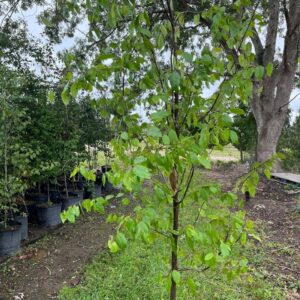
Amelanchier laevis, commonly known as Allegheny serviceberry, is a graceful native shrub or small tree prized for its delicate spring flowers, edible berries, brilliant fall color, and exceptional wildlife value. Native to eastern North America, this versatile plant is an excellent choice for native plant gardens, wildlife gardens, pollinator gardens, woodland edges, and naturalized landscapes.
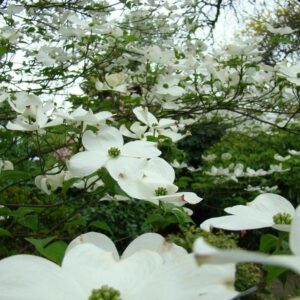
In early spring, Allegheny serviceberry produces clusters of showy white flowers that emerge before or alongside the foliage. These early blooms provide an important source of nectar and pollen for native bees and other pollinators. The flowers are followed by small berries that ripen to dark blue-purple in early summer. The sweet, edible fruit is highly attractive to birds and other wildlife and can also be enjoyed by people.
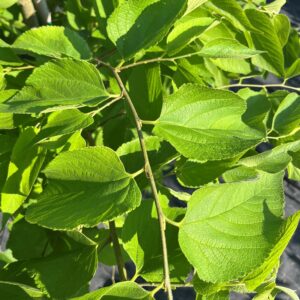
Amelanchier laevis offers outstanding seasonal interest. Its emerging leaves often have a distinctive bronze or purplish tint before turning green through summer. In autumn, the foliage develops vibrant shades of orange, red, and yellow, creating a beautiful fall display. Its smooth gray bark and elegant branching structure add interest even after the leaves have fallen.
Allegheny serviceberry grows well in full sun to partial shade and prefers moist, well-drained soils, though established plants can tolerate somewhat drier conditions. Its relatively manageable size and attractive form make it a versatile choice for residential landscapes, woodland gardens, hedgerows, and naturalized plantings.
Whether you’re looking to support early-season pollinators, attract birds, grow native edible fruit, or add beautiful spring and fall color, Amelanchier laevis is an excellent choice. Its combination of flowers, fruit, wildlife habitat, and multi-season beauty makes Allegheny serviceberry a valuable and rewarding addition to the native landscape.