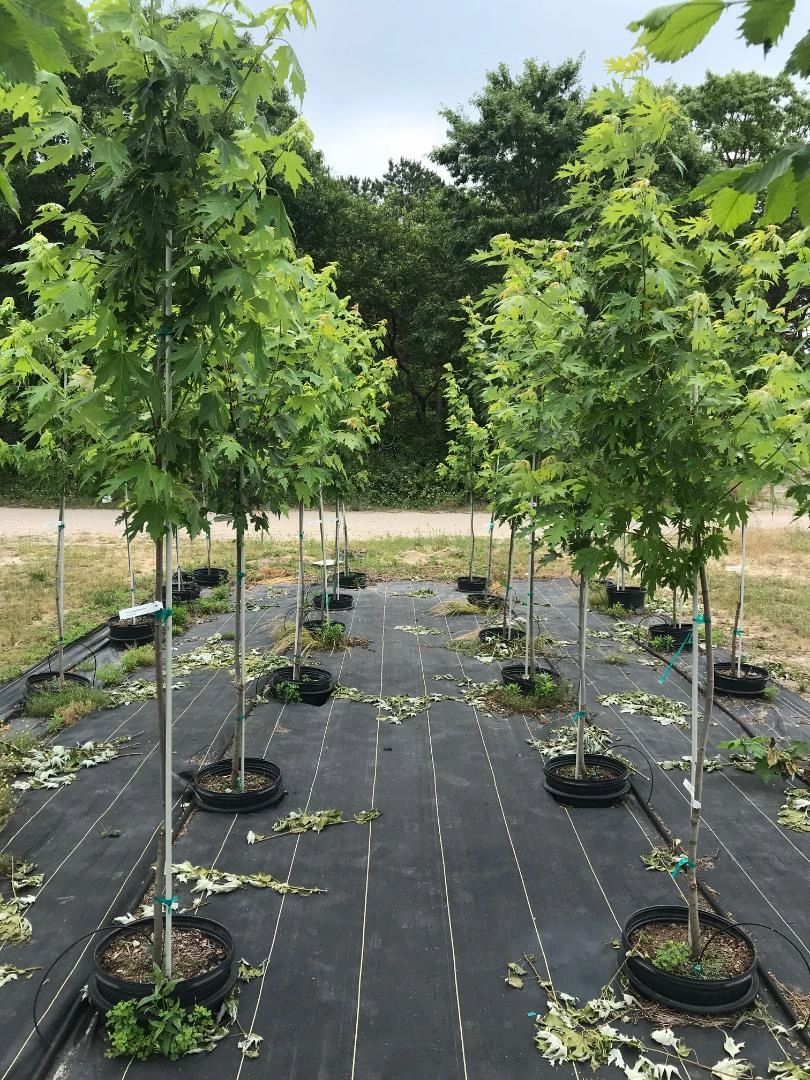
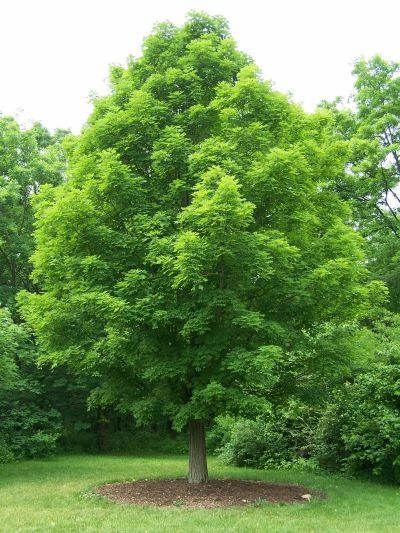
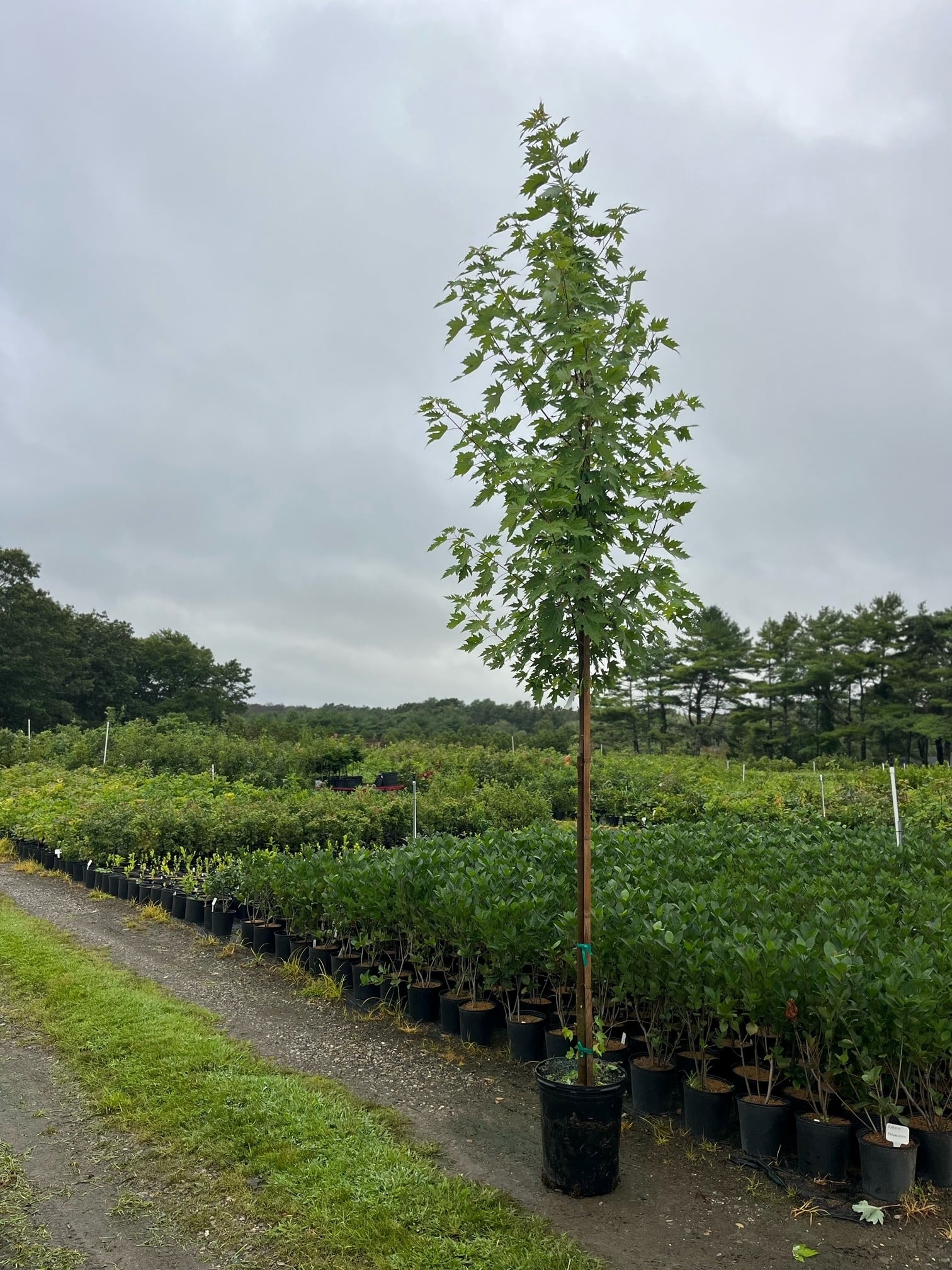
Acer saccharinum, commonly known as silver maple, is a fast-growing native North American tree valued for its graceful form, attractive foliage, and adaptability to moist soils. Native to much of the eastern and central United States, silver maple is an excellent choice for native landscapes, wildlife gardens, rain gardens, wetland plantings, streamside areas, and naturalized landscapes.
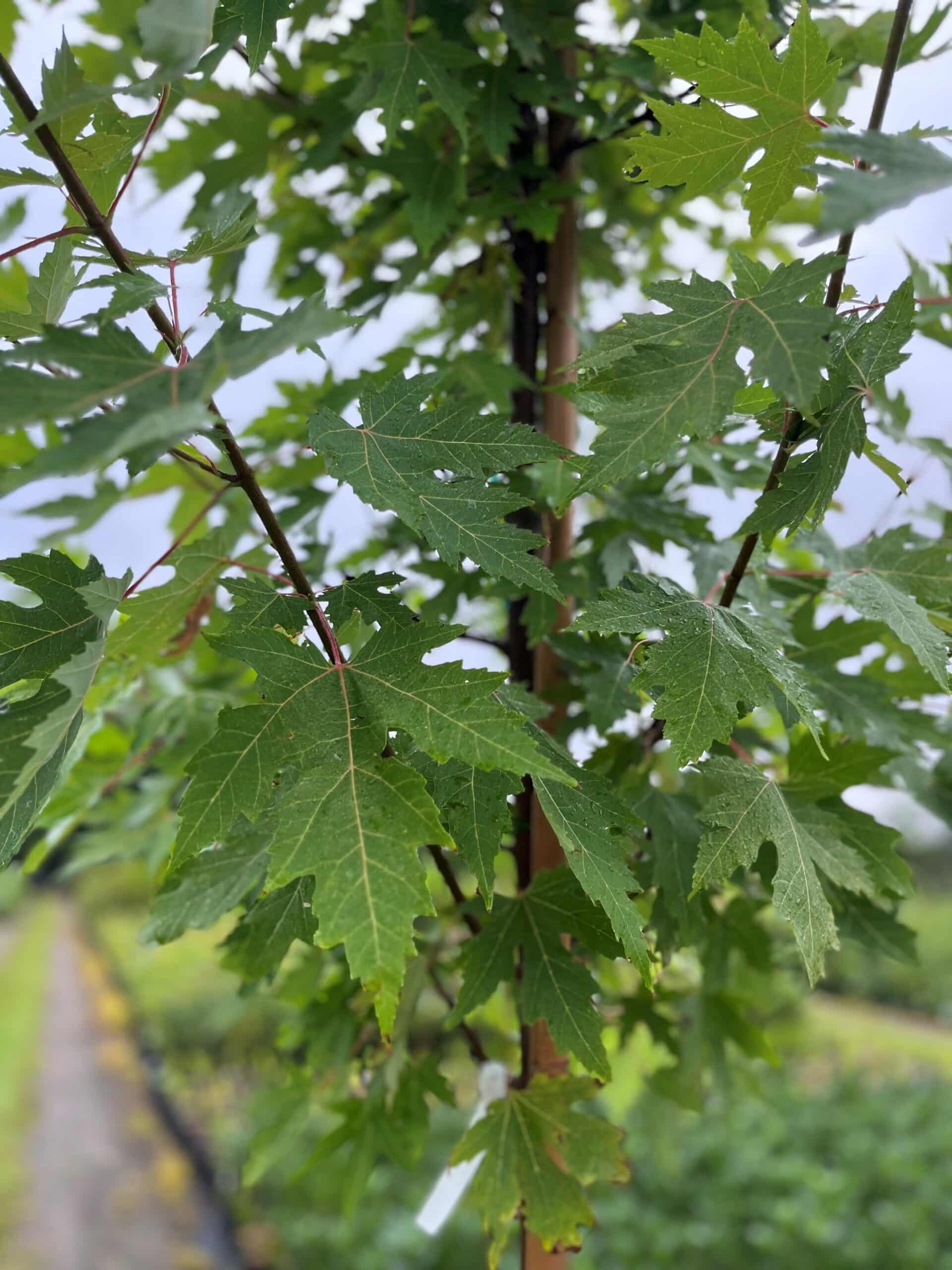
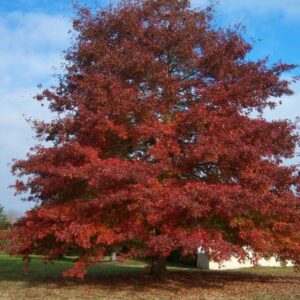
Silver maple gets its common name from the silvery-white undersides of its deeply lobed green leaves, which create a beautiful shimmering effect when moved by the wind. In autumn, the foliage can turn shades of yellow and red, adding seasonal interest to the landscape. Its spreading branches and relatively open canopy also provide shade and valuable habitat for birds and other wildlife.
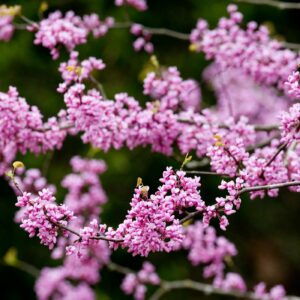
In early spring, Acer saccharinum produces small flowers before the leaves emerge. These blooms provide an early source of food for native pollinators and other insects. The tree also produces paired winged seeds, commonly called samaras, which mature in spring and provide food for wildlife.
Silver maple naturally occurs along rivers, streams, floodplains, wetlands, and other moist environments, making it particularly useful for planting in areas with consistently damp soil. It grows best in full sun to partial shade and is known for its vigorous growth, making it an effective choice when a larger native shade tree is desired.
Whether you’re looking to add shade, wildlife habitat, erosion control, or native character to a moist landscape, Acer saccharinum is a practical and attractive choice. Its fast growth, distinctive silver-backed foliage, and adaptability to wet conditions make silver maple a valuable native tree for naturalized and restoration-focused landscapes.